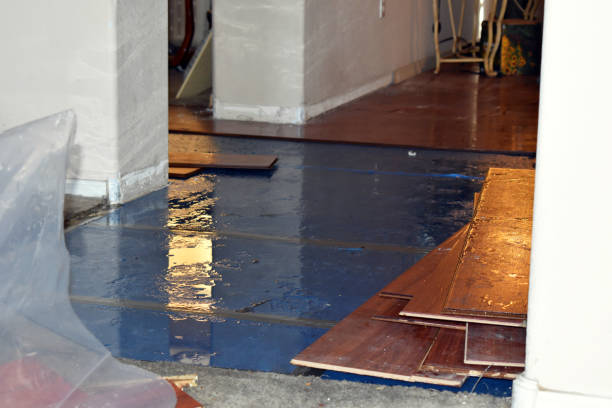
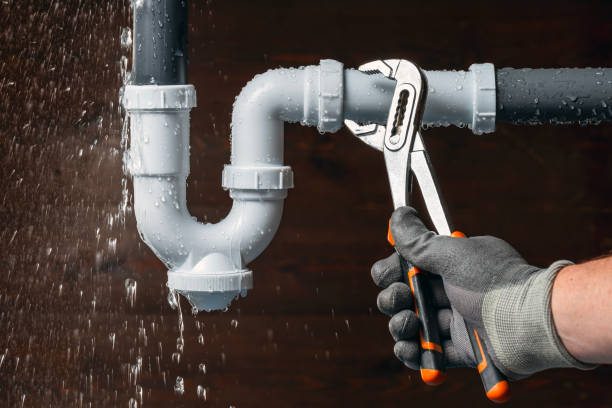
Melville sits on a mix of older plumbing and newer builds, and our crew has pulled water out of both, which is why the truck that shows up already has the right extraction head for your situation.
Call +1-844-578-1604
Crews staged inside Melville limits
Flat-rate quote before any equipment runs
Licensed & insured, verifiable on request

We run our Melville operation on IICRC-certified technicians and commercial-grade equipment, not a subcontractor list we pull from when the phone rings.
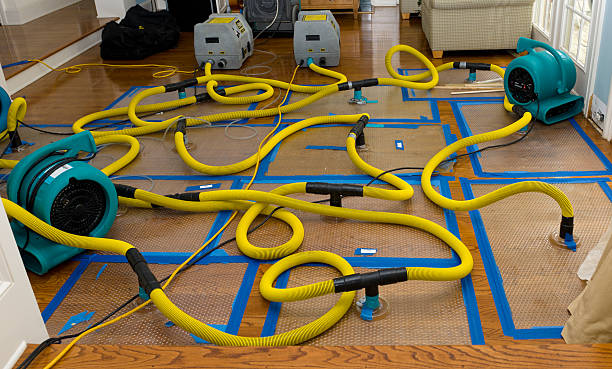
Every Melville truck carries moisture meters, thermal cameras, and both standard and low-grain-refrigerant dehumidifiers, because a one-size drying setup doesn't work for every kind of Melville home.
Ongoing training matters more to us than a certificate on the wall — drying standards and equipment change, and our crews train against the current standard, not the one from five years ago.
Water damage rarely starts as a dramatic flood — it usually starts small, and these are the signs worth acting on before the damage spreads further.
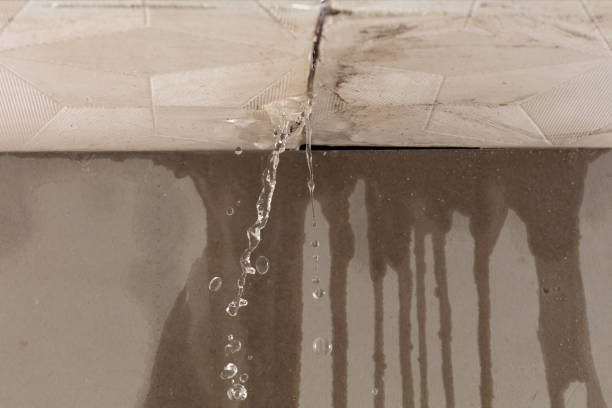
A ring that reappears within weeks of a fresh coat of paint means the moisture source is still active, and it's usually a plumbing line, not a roof issue, especially near bathrooms.
A musty note that wasn't there a season ago usually means microbial growth has started somewhere behind a wall or under flooring, well before you can see anything.
A hollow sound from tile that used to sound solid usually means the mortar bed lost adhesion from sustained moisture underneath.
Catching a hidden leak through the water bill is far cheaper than waiting for it to surface as a flooded room.
Bubbling paint near a baseboard or exterior wall usually means moisture is pushing through from behind rather than a simple application defect.
Mold that returns after a bleach cleaning is a sign the moisture source behind it was never actually addressed.
Catching two or more of these signs at once usually means it's past time for a proper inspection.
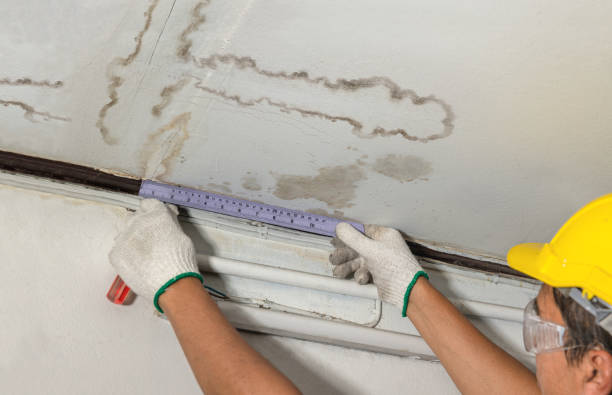
Treating Ceiling Water Damage Repair as a single continuous job, rather than a series of handoffs, is what keeps timelines shorter and documentation consistent.
Every service below gets the same documentation standard, whether it's a single wet closet or a full commercial loss.
The first hour after a water loss decides how much of the structure is salvageable, which is why extraction is always the first truck-mount job, not an afterthought behind paperwork.
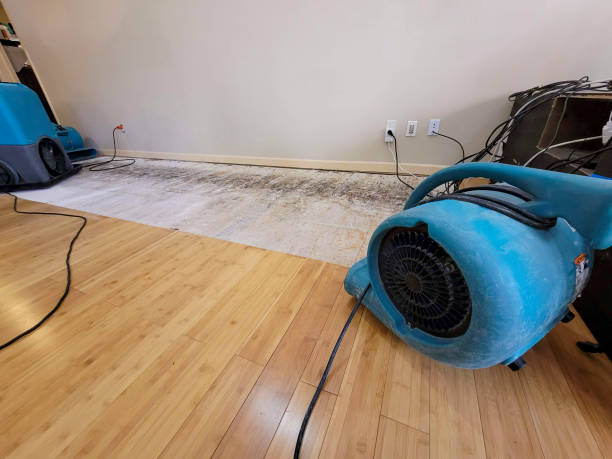
Daily drying logs track humidity and surface moisture at every checkpoint, giving you documented proof of progress instead of a verbal 'it's getting there.'
Our sewage cleanup protocol follows IICRC S500 guidelines start to finish, including isolation of the affected zone and disposal documentation.
Antimicrobial treatment on studs, subfloor, and other porous surfaces happens during the drying phase, especially anywhere that stayed wet more than 48 hours.
Reconstruction starts from the actual drying documentation, not a fresh guess, which keeps the repair scope accurate.
Specialized content cleaning often saves items that looked like a total loss at first glance, which keeps replacement costs off your claim.


This is the same sequence every job follows, whether it's a single flooded room or a full commercial loss.
Dispatch gathers just enough detail to load the right equipment before the truck leaves the lot.
Skipping or rushing this step is how hidden moisture pockets turn into a mold problem months down the line.
Equipment placement follows the specific psychrometric numbers from assessment, not a generic pattern used on every job.
Every affected area gets re-tested before we call the job complete — no shortcuts on the sign-off.
We built the checklist below around the actual complaints people have about restoration companies in general, then made sure Aqua Guard Water Damage doesn't repeat them.
Every technician carries IICRC certification, and every crew works fully insured — documentation available whenever you want it.
A nearby crew isn't a slogan — it's the gap between drying equipment running in an hour versus half a day.
You get a written estimate before equipment turns on, not a surprise invoice after the fact.
If a drying target isn't hit on schedule, equipment stays on-site at no extra charge until the readings confirm it's dry.
Every job closes with documented moisture verification, because a promise without data behind it isn't much of a promise.
This isn't marketing copy — it's the actual checklist our crews sign off against before a job is marked complete.
Call +1-844-578-1604Our Melville service radius covers 02842 02871, with trucks positioned to reach any address quickly, not just the neighborhoods closest to a single office.
We track call patterns by zip code across Melville to keep crew staffing matched to where emergencies actually happen.

"What stood out was how calm the technician stayed while explaining a genuinely stressful situation — that mattered more than I expected."
Renee A., Melville"A storm backed water into our finished basement and the crew classified it, extracted it, and had dehumidifiers running that same afternoon. The invoice matched the quote to the dollar."
Owen D., Melville"They didn't cut corners on the sanitization step even though it clearly slowed them down — with two kids in the house, that mattered to us."
Fatima J., Melville"Every cost question got a straight answer, even the awkward ones, which is more than I can say for the last two contractors I dealt with."
Lucas P., Melville"Getting a daily drying log meant we always knew where the job stood instead of a vague verbal update."
Grace T., Melville"Our office flooded overnight and industrial equipment was already running before our staff arrived for the morning shift."
Nathaniel W., Melville"The technician explained exactly which boards needed to go and which tested dry enough to keep, so we didn't overpay for the repair."
Bianca H., Melville"They explained the crawl space drainage issue in plain terms instead of technical jargon, and fixed it on the spot rather than scheduling a separate trip."
Derek S., Melville"Our upstairs bathroom leaked into the kitchen ceiling below and the crew traced it back to a failed wax ring on the toilet, not just patched the visible ceiling stain."
Melissa C., Melville"Being out of town when it happened was stressful enough — having a crew that could work directly with our property manager made it manageable."
Victor N., Melville